Digital Smile Design for Veneers Explained
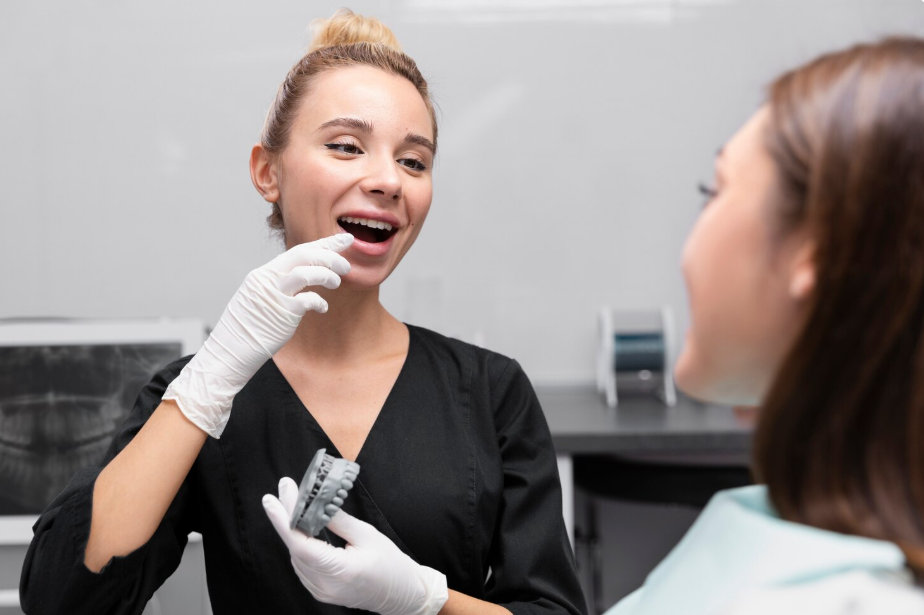
Modern cosmetic dentistry no longer relies on guesswork. Digital Smile Design (DSD) allows patients and dentists to see a preview of the results before treatment begins, transforming how veneers are planned and placed. By focusing on precision, clear communication, and personalized outcomes, this approach ensures excellent results for anyone visiting a veneers dentist near Glasgow.
The True Meaning of Digital Smile Design
Digital grin Design is a planning technique that maps out a grin in detail using digital measurements, photos, and videos. Dentists use a digital platform to analyze smile dynamics, tooth proportions, and facial features rather than depending just on verbal descriptions or physical impressions.
This procedure produces a blueprint that accurately and consistently directs veneer design.
From Face to Smile: A Broader Perspective
Conventional veneer planning frequently concentrates just on teeth. By taking into account face symmetry, expressions, and how teeth interact with lips, Digital Smile Design adopts a broader perspective. When speaking or laughing, a smile that appears natural in still images could seem artificial.
DSD assesses balance and mobility to make sure veneers blend in with the rest of the face rather than being overly noticeable.
Visual Previews Before Commitment
The ability to preview results is one of Digital Smile Design's most valuable features. Before any dental work is done, patients can view a model of their ideal smile. This lessens doubt and increases trust in the course of treatment.
Patients are more equipped to make decisions and offer input early on when they can see changes.
Improving Communication Between Patient and Dentist
In the field of cosmetic dentistry, expectations are frequently misunderstood. By establishing a common visual reference, Digital Smile Design closes this gap. Both the patient and the dentist can see the same digital design rather than orally expressing shapes or tints.
This clarity guarantees that the final veneers reflect the agreed-upon vision and reduces the need for later changes.
Precision in Veneer Fabrication
After the digital design is complete, it provides incredibly accurate guidance for the production of veneers. This digital blueprint is used by dental laboratories to create restorations that adhere to the intended proportions, dimensions, and curves.
As a result, veneers require fewer fitting revisions and the placing process goes more smoothly.
Reducing Guesswork and Surprises
Veneer results can occasionally seem uncertain in the absence of digital planning. By spotting such problems early on, like unequal dimensions or biting concerns, Digital Smile Design lowers this risk.
By taking these aspects into consideration during the planning process, treatment predictability is increased and unhappiness is reduced.
Customization for Every Smile
Digital Smile Design takes into account the fact that no two grins are alike. Veneers are customized to fit each person's age, preferences, personality, and face traits. While some patients want a more obvious change, others prefer gradual refinement.
Instead of being used as a general template, DSD enables these preferences to be included into the design.
Time Efficiency and Treatment Flow
Digital Smile Design frequently reduces the total length of treatment, even though the planning phase may take longer. Effective planning facilitates communication with dental laboratories and minimizes trial-and-error changes.
By cutting down on pointless appointments, this efficiency helps both patients and dental staff.
Is Digital Smile Design Necessary for Veneers?
Although veneers can be applied without digital planning, DSD greatly increases precision and enjoyment. Patients receiving several veneers or whole smile changes will find it very beneficial.
Digital design serves as a road map for complicated circumstances, guaranteeing uniformity from consultation to placement.
Conclusion
The planning and delivery of veneers has been completely transformed by Digital Smile Design. It eliminates uncertainty in cosmetic dentistry by fusing technology, visualization, and customized design. Dentists become more precise, patients gain clarity, and the finished smile is the result of careful preparation rather than coincidence. For those who are thinking about veneers, Digital Smile Design provides a more intelligent and reliable way to get results that look natural.